
Summary
With trains running every 15 to 30 minutes, a transformed Metra could serve people taking all kinds of trips, at all times of day, to places all across the greater metro area.
Supporting a Great City
As Chicago competes with other flourishing cities as a great place to put down roots, a modernized Metra can be a great competitive advantage.
With trains running every 15 to 30 minutes, a transformed Metra could serve people taking all kinds of trips, at all times of day, to places all across the greater metro area. It would be game-changing for everyone: For workers, businesses, and families. For travelers going to and from O’Hare. For tourists and day-trippers. For shoppers and people visiting nearby family and friends.
Foundation for the Midwest
And there’s a big bonus: It would create the foundation for building high-speed and regional rail connecting Chicago to the Midwest.

Metra must re-invent itself
Metra can do much more than take people downtown for work.

The process has begun
CMAP recommended that the Illinois Legislature fund regional rail.

Springfield must act soon
A state railway fund, including regional rail, should be included in the Spring 2025 transit funding package.
What would regional rail look like?
Today, Metra focuses on moving workers between Chicago’s bedroom communities and downtown at rush hour. It could do that better, and be so much more. Metra should become a reliable option for people going all around the Chicago region, for all kinds of reasons, at all times.
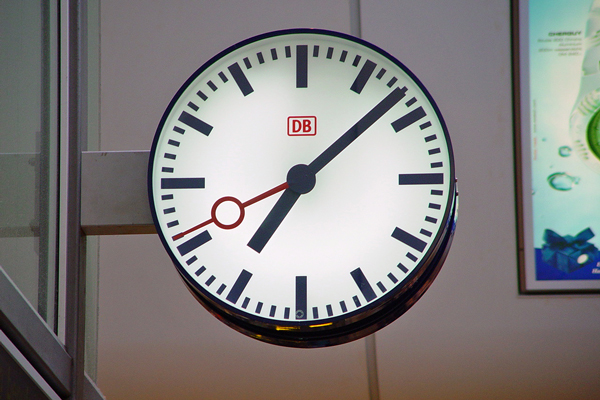
All-Day, Frequent Service
Trains every 15 or 30 minutes, all day, to give you the flexibility to travel when you want.
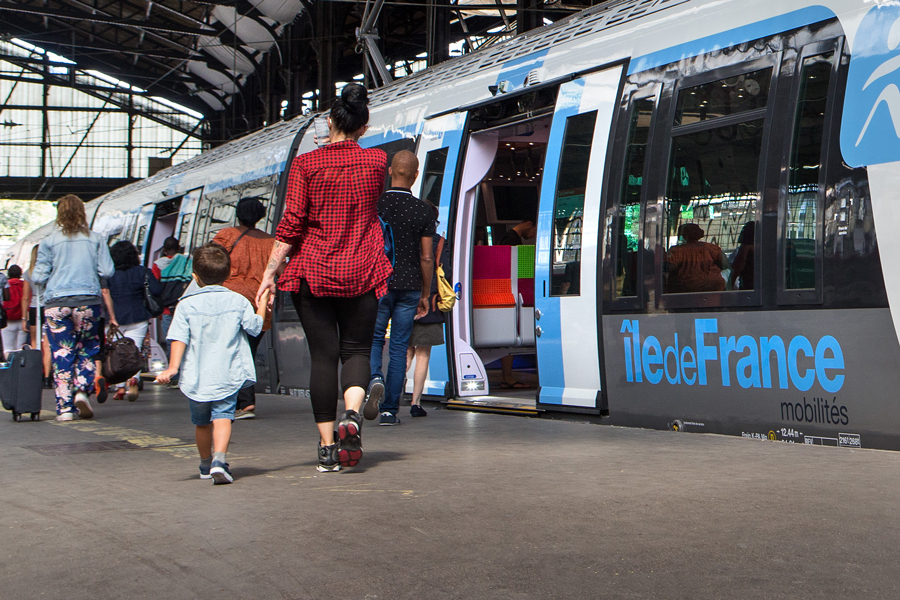
Fewer Stairs
Low floor trains make taking your bike, your shopping bags, or yours kids easier.
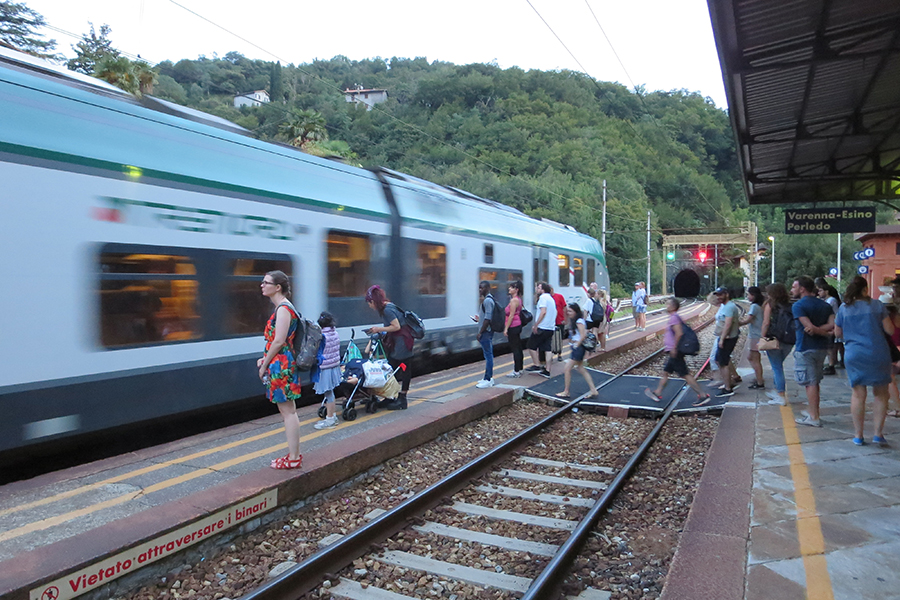
Faster Trips
Better accelerating trains, faster loading, and better track lead too shorter schedules.
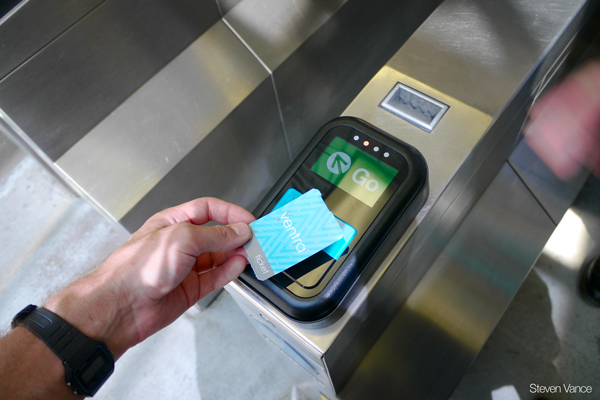
Convenient Connections
Buses and trains work closely together with timed connections and integrated fares. photo: Steven Vance
The process has begun
Initial steps have been taken towards regional rail:
- Metra has been adding mid-day departures
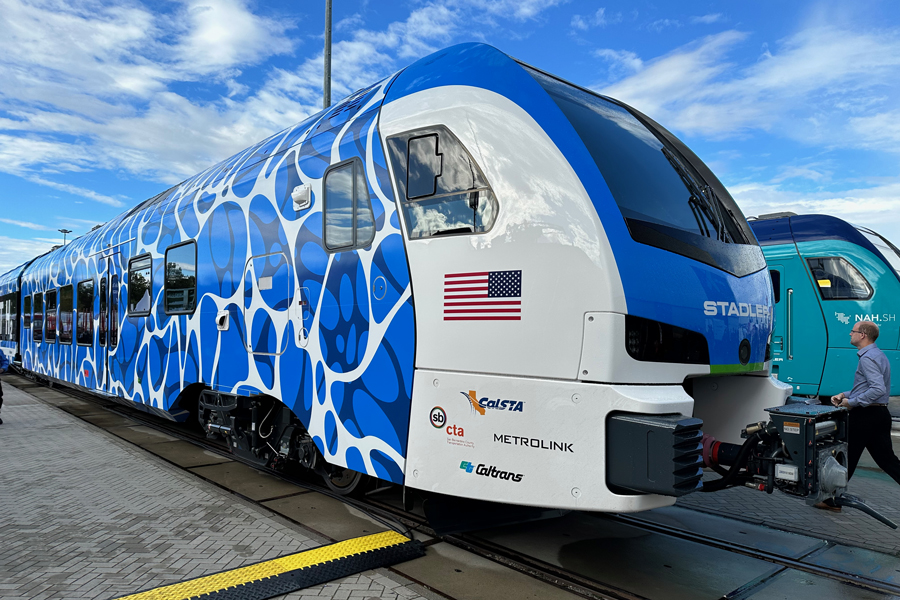
- Metra is going to purchase a trial set of high-performance trainsets
- CMAP has recommended that the IL Legislature fund the conversion to regional rail
- The Illinois Legislature is preparing to pass a major transit funding package
But, we need bigger steps, more quickly.
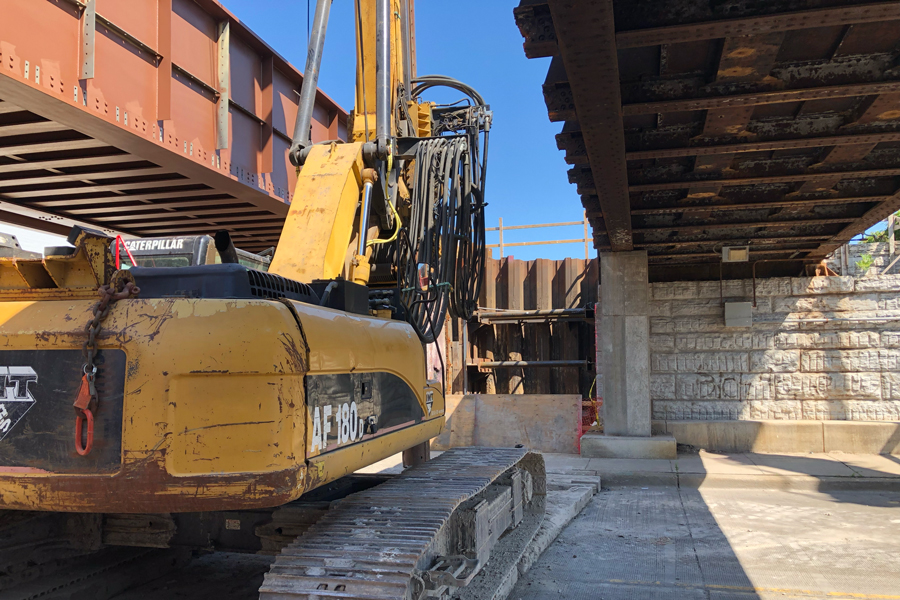
Bridge replacements are a major component of modernizing Metra for regional rail.
What needs to happen
The Illinois Legislature needs to create a State Railway Program to fund:
- Repairing or replacing old bridges
- Purchasing high-performance trainsets
- Adding mainline tracks to run more trains
- Electrifying at least four routes
Where to start
Four of Metra’s lines could be the testing ground for regional rail because they host few or no freight trains. These routes could also support high-frequency departures to nearby cities.
Metra Electric
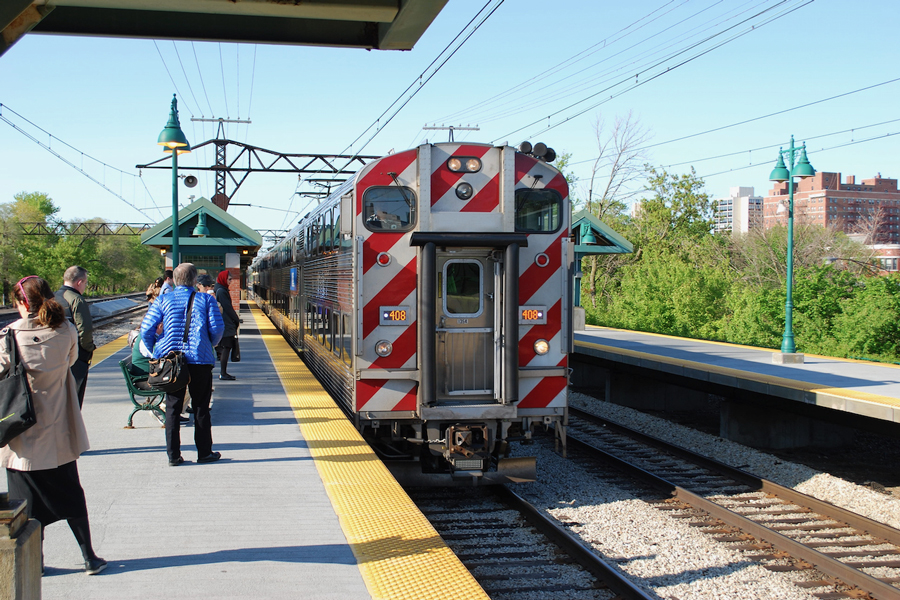
The Metra Electric was built for regional rail with electric trains, level boarding, and few highway crossings. Dense neighborhoods surround the stations. Many of the Southside’s top destinations are just blocks away. It supports trains to South Bend.
Rock Island
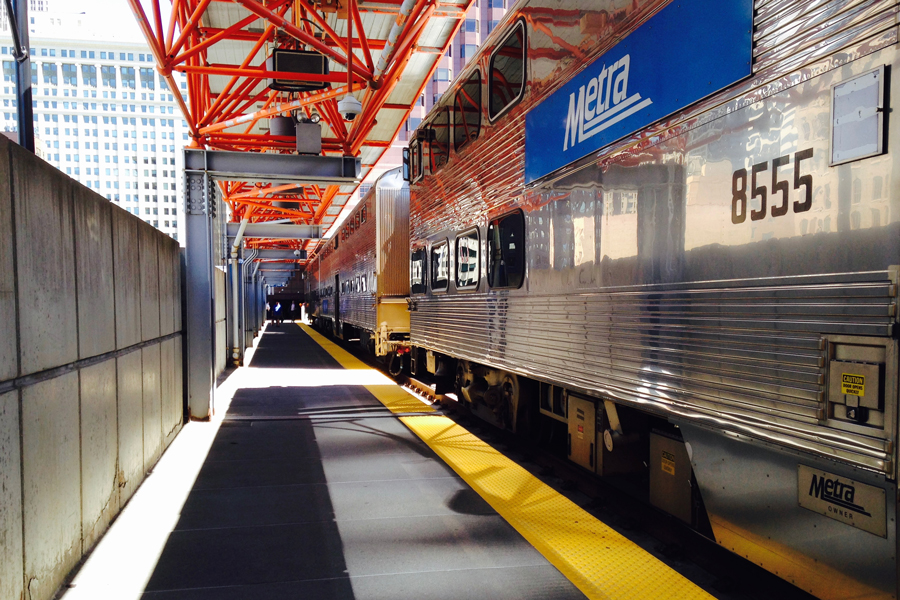
Metra’s Rock Island line also has closely spaced stations and little freight traffic, making it another great testing ground. It could support trains to Peoria and the Quad Cities.
UP Northwest
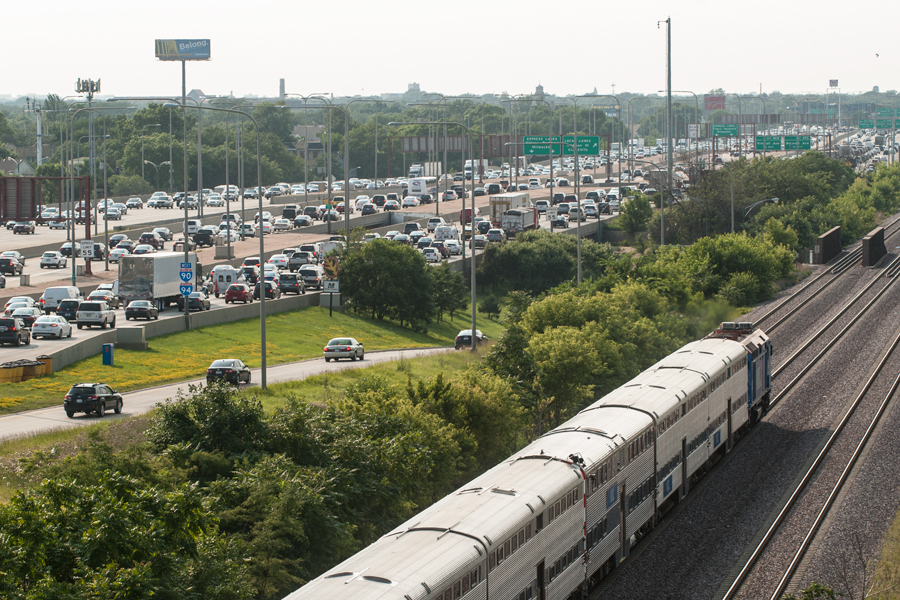
The UP Northwest is also a good opportunity, though it crosses busy freight lines. It could support trains to Madison and play a role in trains to O’Hare.
UP North
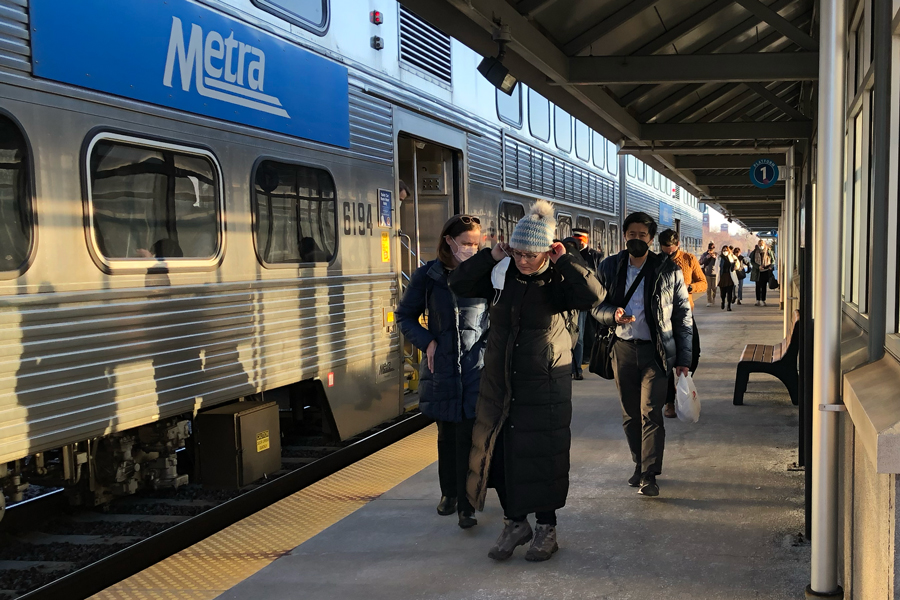
The UP North has no freight trains south of Lake Bluff and just one or two a day north. Walkable communities surround most stops. It could support trains to Milwaukee.
Trains to the Planes (and more)
There is a new route that would have a dramatic impact on the entire network.
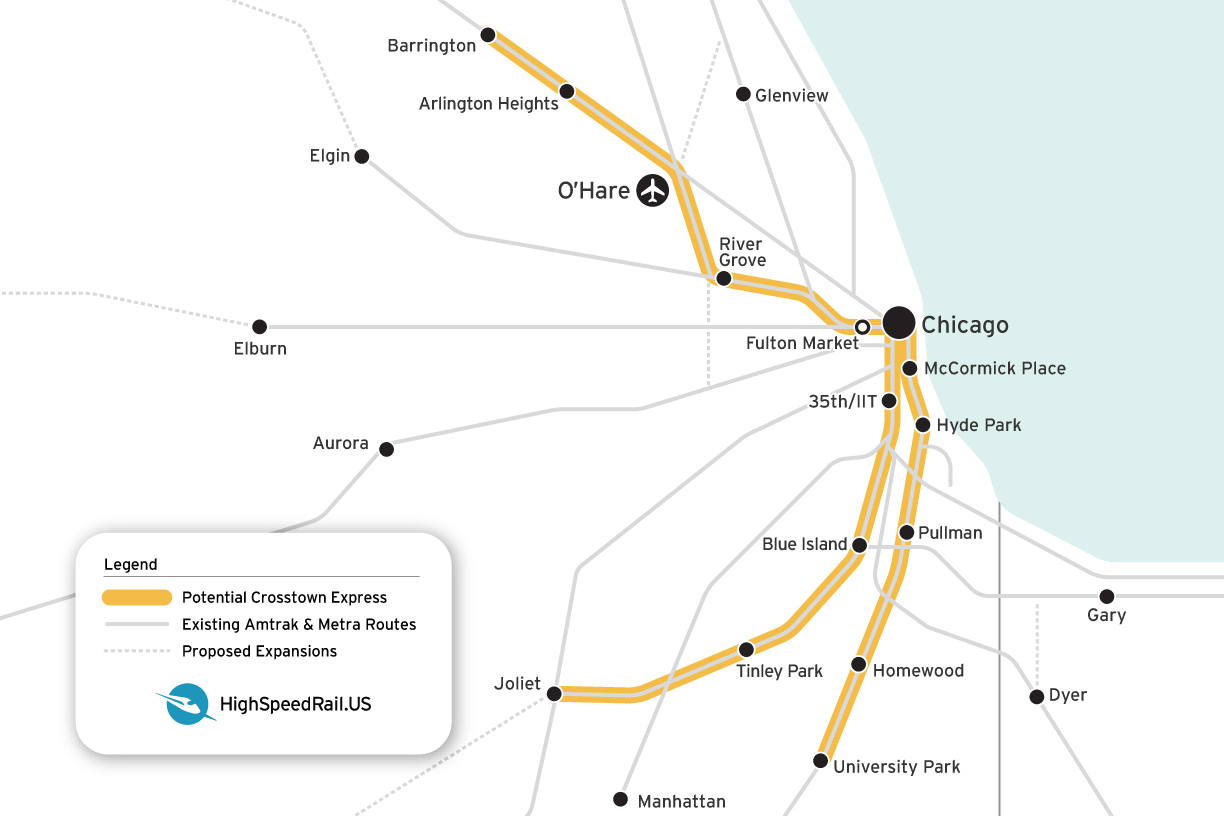
A Multi-Purpose Crosstown Express
O’Hare Express proposals usually focus on serving the Loop, but people travel to O’Hare from all across the region.
A crosstown regional rail route extending from the Southside to Barrington would allow Metra trains to serve the whole region much better—not just commuters and fliers.
Riders could transfer to multiple Metra lines—from CTA, Metra, and Amtrak trains—at key connecting stations, making the whole metro area much more accessible to everyone. Work is already underway by Amtrak and Metra that could set this plan in motion.
Two Core Projects
Two projects are fundamental to regional rail.
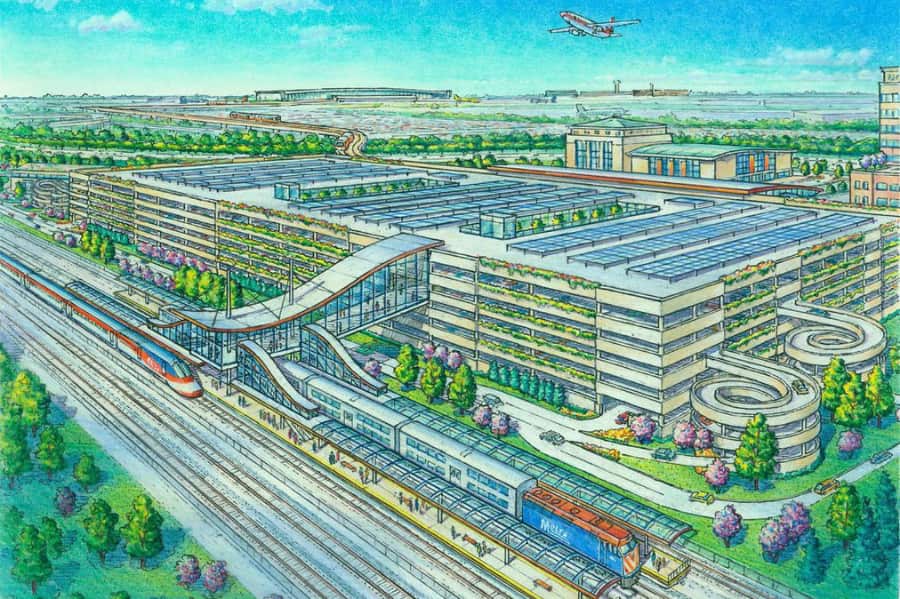
A Railway Station at O’Hare
O’Hare, the Midwest’s gateway to the world,could be easily reached by trains from around the region.
Union Station Expansion
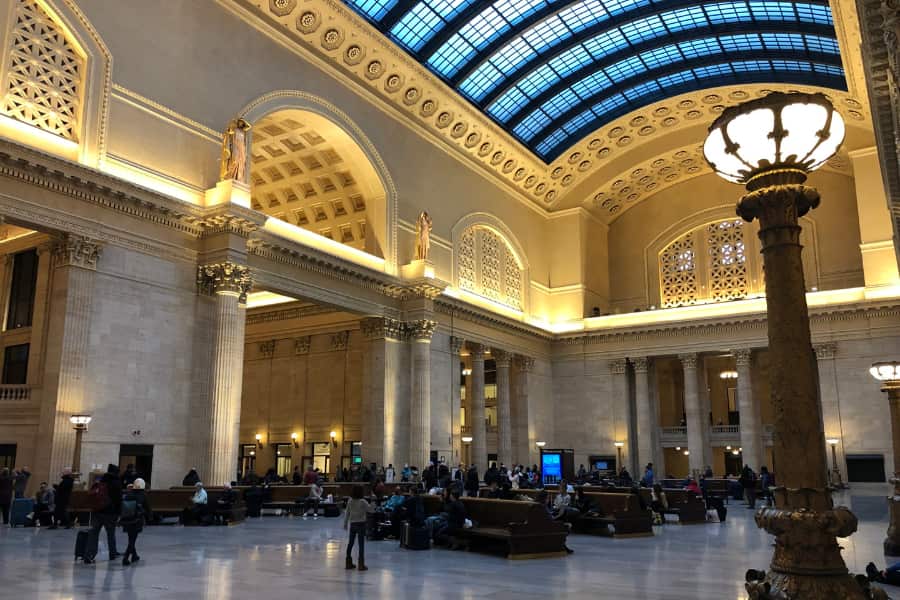
Union Station is already operating beyond capacity. It needs to be expanded and new through tracks added.
Get Involved
The Illinois General Assembly is debating the future transit and regional rail right now. The package should include a State Railway Program to invest in bridges, trainsets, and better track.